Tranoï Tokyo September 2026

Editorial Content
JOURNAL

JOURNAL is TRANOÏ TOKYO's editorial platform, dedicated to documenting and sharing the voices and perspectives of 

the people who shape the fashion industry along with music, art, and culture.

Through conversations with exhibiting brands, buyers, creators, and industry professionals, 

JOURNAL explores the evolving role of TRANOÏ TOKYO as an international fashion event in Tokyo, 

while looking toward the opportunities and possibilities that lie ahead.

With each edition, JOURNAL captures the stories, encounters, and dialogue that emerge throughout the event. 

By documenting these moments over time, it traces the ongoing evolution of creativity and culture, 

inviting readers to follow the journey alongside us.
July 29th, 2026
[PEOPLE]

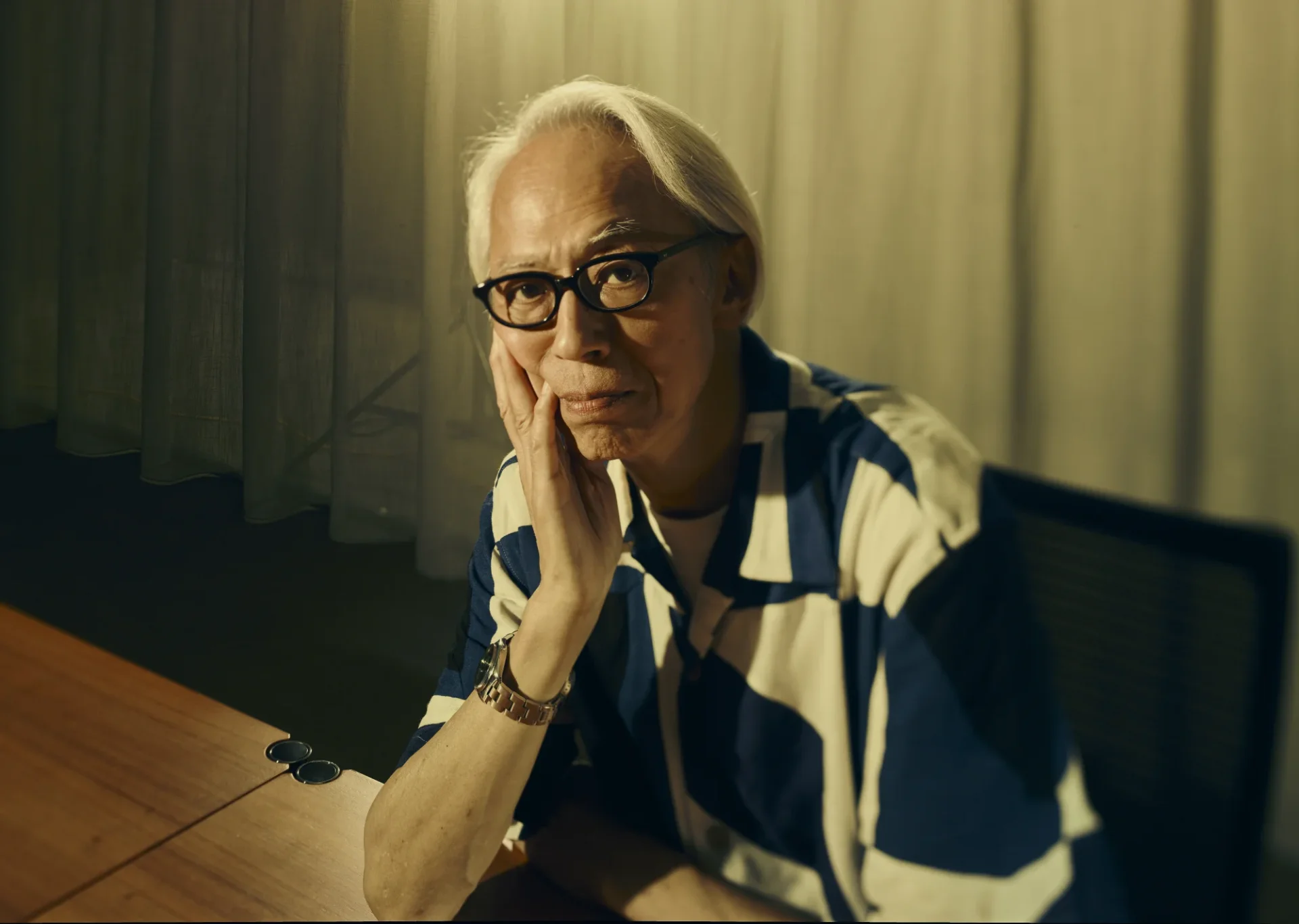
Hirofumi Kurino on TRANOÏ TOKYO’s Present and Future

interview with Mr. Hirofumi Kurino, Senior Advisor and Creative Director at UNITED ARROWS, who has visited TRANOÏ since its first edition in Paris and has attended every edition of TRANOÏ TOKYO. Drawing on his unique perspective, he shared his thoughts on where TRANOÏ TOKYO stands today and where it may be headed next.

READ

September 4th, 2026
[PEOPLE]

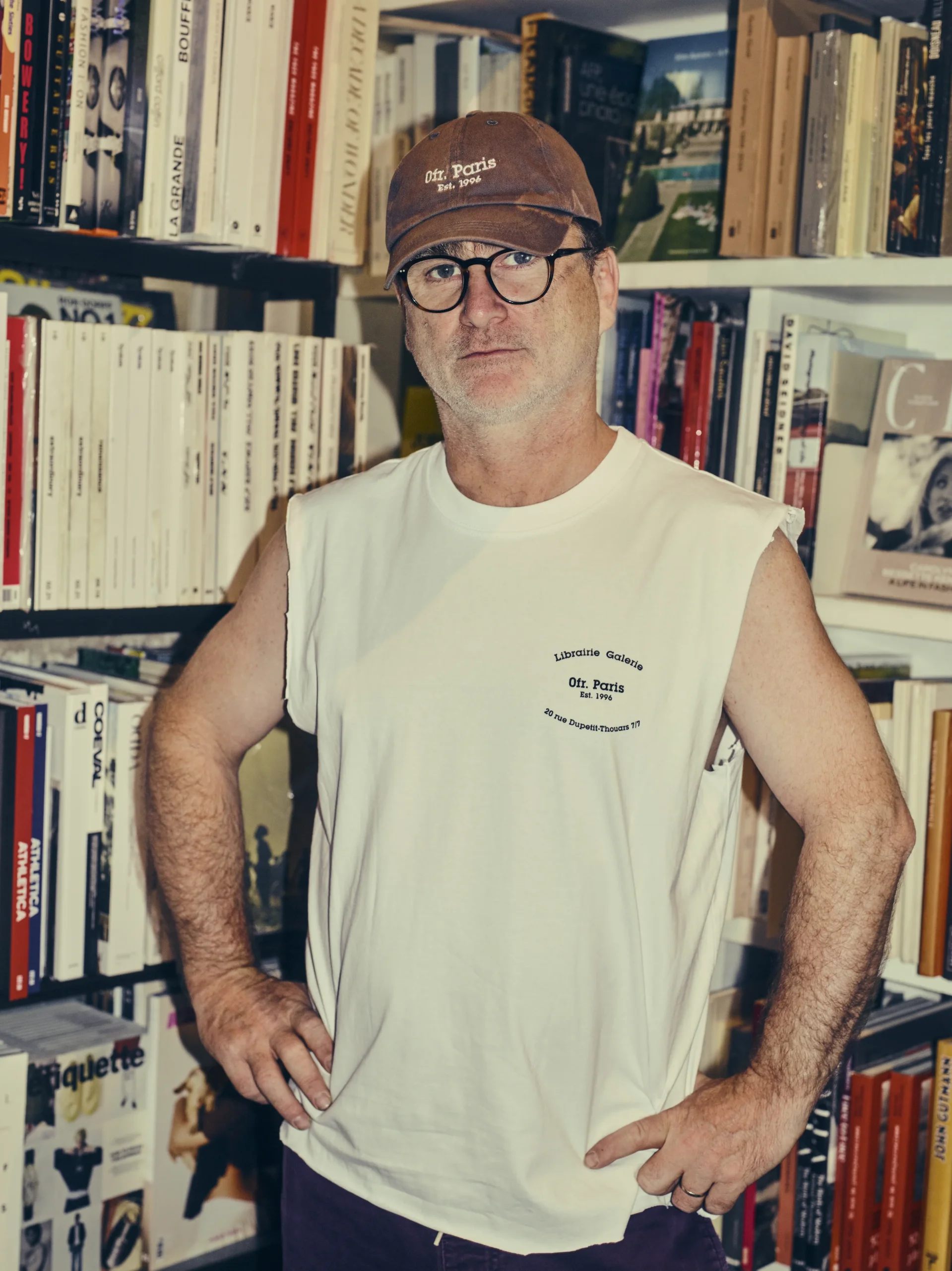
Alexandre Thumerelle - The Independent Spirit of 0fr: Doing What We Love, On Our Own Terms

As part of the collaborations at TRANOÏ TOKYO in September 2026, we will host the “0fr. 30th Anniversary Special Archive Pop-up.” To mark the occasion, we sat down with Alex, founder of 0fr., for an interview.
READ

Volume 1
Hirofumi Kurino on TRANOÏ TOKYO’s Present and Future

Interview & Text: Hiroya Ishikawa

Photo: Ko Tsuchiya
Originating in Paris in 1998, TRANOÏ has become widely recognized in the industry as the only official trade show during Paris Fashion Week. In September 2024, TRANOÏ TOKYO was launched as the first edition of TRANOÏ in Asia. For its fifth edition, scheduled for September 2026, approximately 200 brands from over 20 countries and regions—including France, Italy, South Korea, Taiwan, Georgia, and Singapore—are expected to participate.

What kind of impact will the international trade show TRANOÏ TOKYO have on Japan’s fashion scene, and what changes might it bring in the years ahead?

We interviewed Mr. Hirofumi Kurino, Senior Advisor and Creative Director at UNITED ARROWS, who has visited TRANOÏ since its first edition in Paris and has attended every edition of TRANOÏ TOKYO. Drawing on his unique perspective, he shared his thoughts on where TRANOÏ TOKYO stands today and where it may be headed next.

I understand you have been visiting TRANOÏ since its very first edition in Paris.What was your impression of TRANOÏ?

Before TRANOÏ, trade shows generally tended to offer a broad mix of different things. TRANOÏ, however, felt different. I tseemed to carefully select only brands, designers, and factories with a particularly strong creative point of view. At the time of its first edition, Armand Hadida, the founder of LECLAIREUR — a well-known Parisian multi-level store, or what we might call a select shop in Japan — was involved in its direction, and I could strongly feel that sensibility throughout the show. Rather than presenting “a bit of everything,” TRANOÏ had a very clear stance: a commitment to creation. I remember finding that approach extremely fresh and original.

Having visited TRANOÏ many times since its first edition, what has left the strongest impression on you?

When UNITED ARROWS operatesa store, we direct everything as a whole — from the way the staff dress, to the displays, to the music playing in the space. I felt that TRANOÏ approached things ina similar way, with careful direction extending even to the smallest details.

For example, the staff were wearing hats designed by the brother of Klaus Plank, the designer of Bergfabel. The music played at the venue also did not feel like it was simply chosen to be catchy; it felt as though it had been properly directed by someone with a genuine love and understanding of music. Incidentally, Bergfabel is a brand we carried at UNITED ARROWS, specifically at District, for more than ten years, starting from a time when it was still relatively unknown.We discovered the brand through TRANOÏ.

TRANOÏ, which has established a distinctive presence among trade shows around the world, was held in Tokyo for the first time in September 2024. How did you feel about it?

When I first heard about it, I was honestly a little concerned — whether TRANOÏ TOKYO would be able to establish the same kind of originality as TRANOÏ in Paris, and whether it would work from a business perspective. But once it actually opened, the venue, Bellesalle Shibuya First, was filled with so many people that it almost felt as though the spacious hall could not contain them all. In the end, the concerns I had turned out to be completely unfounded.

Why do you think it was able to attract such a large audience?

After the pandemic, I personally began traveling overseas again quite quickly. Many Japanese buyers, however, tended to remain in Japan after COVID, which meant they had fewer opportunities to encounter international brands or to see the latest fashion movements taking place around the world. For buyers, TRANOÏ TOKYO offered a rare opportunity to discover a wide range of overseas brands again after a long period of limited travel.I think that is one of the reasons why so many people came to the event.

What were your thoughts on the exhibitors?

For example, there is a Japanese brand called TECLOR. I felt that its approach to clothing had become even more refined, reaching a truly international level. More broadly, it made me realize that while exchange with the rest of the world had been interrupted during the pandemic, Japanese craftsmanship as a whole had continued to evolve. What also left an impression on me was that the exhibitors were not limited to fashion brands. There were also lifestyle and accessory brands with a strong point of view. I think the same can be said of Paris, but during the pandemic, people probably became more conscious of their homes and everyday living. At TRANOÏ TOKYO, there were tableware, bedding-related items, organic soaps and detergents, as well as aromatherapy products. It gave me the impression that the show was successfully capturing new currents in the market.

— How do you see the kind of curatorial direction that you felt at TRANOÏ being carried through in TRANOÏ TOKYO?

TRANOÏ TOKYO has a different form of direction from TRANOÏ in Paris, and what I feel there is a uniquely Tokyo sense of precision and attention to detail. One example is the way the booths are connected. They are not simply placed side by side; there is a sense of narrative in the flow — this comes after that, and then this follows.

I think this may also have something to do with a certain Japanese tendency to be faithful to the fundamentals, but there is a strong sense of unity across the entire venue.Perhaps that is one of the reasons why TRANOÏ TOKYO has been so successful.

— What has left the strongest impression on you from the previous editions of TRANOÏ TOKYO?

One of the most memorable moments for me was the presentation by five student-led brands from VOUTRAIL THE FASHION ACADEMY in Osaka, formerly Osaka Bunka Fashion College. I have seen many student collections in Japan and abroad over the years, but what they presented did not feel like something to be evaluated within the framework of “student work” or “supporting young talent.” It stood on its own, with a level of quality and creative clarity that was genuinely compelling.

In that sense, I once again felt TRANOÏ TOKYO’s direction very strongly — in the way it was able to identify and present this kind of talent.

— What made their work stand out to you?

In a world where we are surrounded by an overwhelming abundance of products, I feel that design which goes one or two steps deeper — design with a real sense of handcraft — is very much in line with what TRANOÏ TOKYO is trying to do. There is a kind of originality that comes from pushing further into craft, into techniques and sensibilities that could only exist in Japan. From both a business perspective and a broader view of the industry today,I think that is where the greatest potential lies.

For example, the LVMH Prize, known as a gateway for emerging designers, was held in March. I have served as a jury member for 13 years, and the prize recognizes some of the most outstanding young talents in fashion. This year, the key ideas were handcraft,a couture sensibility, and culture rooted in a specific place.

I believe we will see more brands with those kinds of qualities appearing at TRANOÏ TOKYO in the years to come.

Collaboration events are one of the defining features of TRANOÏ TOKYO. How do you see them?

The 0fr. Tokyo collaboration was very good. 0fr. is an art bookshop I always visit whenever I am in Paris, so I was surprised — in a very positive way — to see that they now have a partner in Japan. I was also thrilled to see them presenting a pop-up at TRANOÏ TOKYO.

The 0fr.store in Paris has a small gallery space at the back, where they have held photo exhibitions for magazines such as STREET and FRUiTS. In many ways, the kind of Japanese fashion that people overseas admire most is exactly the world captured in those magazines.

If TRANOÏ TOKYO could pick up on that kind of energy and develop something like a street fashion photography exhibition, I think it could be extremely interesting.

What do you think visitors, especially buyers, can experience at TRANOÏ TOKYO that they would not be able to find elsewhere?

Personally, I have always been interested in the places where things are made, so I often visit different regions across Japan. But for example, if there is a sewing factory in Tohoku and a textile supplier in Kansai, simply visiting those places already requires a great deal of time and effort.

At TRANOÏ TOKYO, however, designers, factories, and a wide range of exhibitors from across the country come together in one place. In other words, the venue brings together many of the functions and resources that professionals need. That makes it a valuable opportunity not only for people who create products, but also for those who want to present their products or techniques to the right audience. A designer, for instance, may encounter a great factory. And I think there is a strong possibility that unexpected meetings between professionals can lead to meaningful chemistry. For TRANOÏ TOKYO, I think it would be important to continue creating platforms where those kinds of encounters can happen naturally.

— It is not often that so many professionals involved in Japanese clothing production and craftsmanship come together in one place, is it?

I believe TRANOÏ TOKYO is becoming a rare and important platform, even on a global level. Today, “Made in Japan” carries a strong appeal overseas as well. It attracts attention at Pitti Uomo, the menswear trade show held in Florence, and I believe that majority of the Japanese brands showing at Paris Fashion Week manufacture their products in Japan.

There are many things that can only be achieved by Japanese factories and craftsmen.I believe this is one of Japan’s greatest strengths, and something TRANOÏ TOKYO should continue to highlight. Looking ahead, it could also be very interesting if TRANOÏ TOKYO were able to edit and present traditional techniques and craftsmanship from places such as Thailand, Malaysia, or Indonesia — not simply as they are, but through a contemporary perspective and arrangement that feels relevant today.

What kind of value do you think TRANOÏ TOKYO offers to buyers based outside of Tokyo?

Compared with traveling to overseas trade shows, visiting Tokyo is far more accessible in terms of cost. And because TRANOÏ TOKYO brings together brands from around the world, I believe buyers can encounter something that is just as valuable — if not more — than what they might find at trade shows overseas. There is also no major language barrier. Japanese buyers can conduct business in Japanese, and I understand that interpreters are available when speaking with exhibitors from overseas. For those who are not confident in foreign languages, that kind of support can be very reassuring.

— What do you think would make TRANOÏ TOKYO an even more meaningful platform and opportunity? Is there anything visitors should do in advance to make the most of their visit?

TRANOÏ TOKYO has also featured exhibitions focusing on specific countries or regions in each edition, including Africa, Georgia, Saudi Arabia, and Colombia. For buyers in particular, I think the experience becomes much more meaningful if they do some research on those countries or regions before visiting.For example, the previous edition — the fourth edition — featured Romania. If buyers visited with some prior knowledge, not only about the country itself but also about its position as one of the clothing production hubs within the EU, they will be able to have much deeper conversations with exhibitors. That kind of preparation also makes it easier to build a connection.Even a basic level of background knowledge can greatly enrich the experience and what you take away from the event.

What do you think the organizers should keep in mind in order to make TRANOÏ TOKYO an even stronger trade show?

As someone who works in the fashion industry,and also as an individual, I believe fashion should not become detached from society. For people to understand it and feel a connection to it, fashion needs to engage with issues such as the environment, the next generation, and the kind of planet we are leaving to future generations.

If TRANOÏ TOKYO, as a platform that brings together the fashion industry, can use its position to drive meaningful initiatives around these issues, I believe it could have a significant impact. And I believe Japanese brands and factories are well positioned to lead the way.

I look forward to seeing how TRANOÏ TOKYO continues to develop from here.


About

Hirofumi Kurino
Born in 1953, Hirofumi Kurino co-founded UNITED ARROWS in 1989 together with Osamu Shigematsu and others. As Managing Director, he was involved in a wide range of areas within the company, and currently serves as Senior Advisor in charge of Creative Direction.

He has also been active both in Japan and internationally, serving as an external judge for the LVMH Prize, known as a gateway for emerging fashion designers, and as a member of BoF— The Business of Fashion. In 2021, he also became Co-Founder and Advisor of the new company HUMANOS.

He is the author of The World After Mode (Fusosha Books), which has also been published in South Korea and Taiwan.